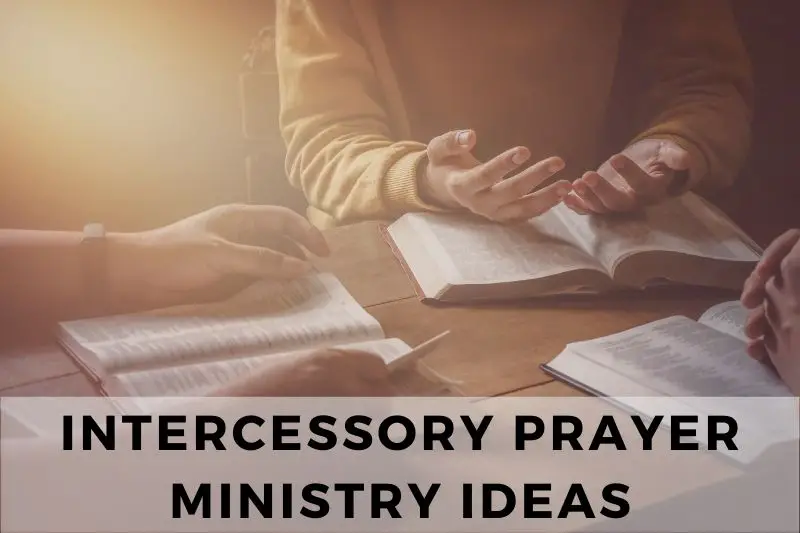
Intercessory prayer is one of the most important ministries within the Church. Through intercession, believers stand in the gap for others by praying for healing, restoration, protection, guidance, and spiritual breakthrough. Strong prayer ministries help churches grow spiritually, strengthen relationships within the congregation, and create an atmosphere where people seek God consistently.
Whether you are starting a new prayer ministry or revitalizing an existing one, implementing creative and intentional strategies can help build a thriving culture of prayer. From organizing prayer chains to hosting prayer walks and training intercessors, there are countless ways to encourage meaningful and effective prayer within your church or community.
In this article, you will discover 15 practical and impactful intercessory prayer ministry ideas that can help your church deepen its commitment to prayer while supporting individuals, families, leaders, and outreach efforts.
Intercessory Prayer Ministry Ideas
#1. Launch a 24-Hour Prayer Chain
A 24-hour prayer chain is one of the most effective ways to create continual prayer coverage within your church or ministry. Participants sign up for specific time slots so prayer is happening around the clock.
This type of ministry works especially well during:
- Church revival services
- Mission trips
- Outreach events
- Community emergencies
- National crises
- Major ministry transitions
To organize a successful prayer chain, use online scheduling tools, church apps, or shared calendars. Assign prayer themes and provide participants with prayer guides that include Scripture references and specific requests.
Encourage members to pray intentionally during their assigned time rather than treating it as a casual obligation. Over time, a 24-hour prayer chain can become a powerful source of spiritual unity and consistency within your congregation.
#2. Organize Weekly Intercessory Prayer Meetings
Weekly prayer meetings provide a dedicated opportunity for believers to gather and seek God together. Consistent prayer gatherings help strengthen church unity while creating spiritual momentum.
A structured prayer meeting may include:
- Worship and praise
- Scripture reading
- Silent reflection
- Group intercession
- Testimonies
- Prayer for ministry needs
Rotate prayer leaders occasionally to keep meetings engaging and encourage participation from different members of the congregation.
You can also organize themed prayer nights focused on topics such as healing, families, revival, youth, missions, or leadership. Providing specific prayer points helps attendees remain focused and intentional.
Weekly intercessory gatherings often become the spiritual foundation of healthy churches and ministries.
#3. Create a Dedicated Prayer Room
A prayer room offers church members a quiet place to seek God without distractions. Churches that establish prayer rooms often experience greater engagement in both personal and corporate prayer.
Your prayer room can include:
- Comfortable seating
- Soft lighting
- Worship music
- Prayer journals
- Bibles and devotionals
- Prayer request boards
- Maps for missionary prayer
Some churches create prayer stations dedicated to topics such as healing, salvation, marriage, missions, or spiritual growth.
Encourage members to use the prayer room throughout the week for personal devotion, fasting, or small group prayer. You can even schedule hours where trained intercessors are available to pray with visitors.
A dedicated prayer space helps cultivate a church culture centered on seeking God regularly.
#4. Develop a Digital Prayer Ministry
Technology allows churches to extend their prayer ministries beyond physical gatherings. A digital prayer ministry helps members stay connected throughout the week while making prayer support more accessible.
Ways to create a digital prayer ministry include:
- Email prayer chains
- Group text messaging
- Private social media groups
- Online prayer request forms
- Weekly prayer newsletters
- Video prayer meetings
Digital prayer ministries are especially beneficial for elderly members, travelers, and those unable to attend church regularly.
To maintain trust and organization, establish confidentiality guidelines and assign responsible leaders to manage prayer requests and updates.
Sharing daily Scriptures, devotionals, or prayer prompts online can also encourage members to remain spiritually engaged throughout the week.
#5. Start Community Prayer Walks
Prayer walking is a powerful outreach-focused ministry idea that combines intercession with community engagement. Participants walk through neighborhoods while praying for the people, homes, schools, and businesses around them.
Prayer walk focuses may include:
- Families and marriages
- Students and teachers
- Community safety
- Local government leaders
- Churches and ministries
- Salvation and revival
Organize small teams and assign different neighborhoods or locations. Encourage participants to remain respectful and approachable while praying quietly or in small groups.
Some churches combine prayer walks with acts of kindness such as distributing water bottles, encouraging local businesses, or inviting residents to church events.
Prayer walks help believers move beyond the church building and actively minister to their community through prayer.
#6. Build a Prayer Partner Ministry
A prayer partner ministry creates opportunities for deeper spiritual relationships within the church. Participants are paired together and commit to praying consistently for one another.
Prayer partners can:
- Meet weekly or monthly
- Share personal struggles and victories
- Encourage spiritual growth
- Study Scripture together
- Hold one another accountable
- Celebrate answered prayers
When organizing prayer partnerships, try matching individuals based on age groups, life stages, schedules, or ministry interests.
Providing monthly discussion prompts or prayer themes can help participants stay consistent and engaged.
Prayer partnerships often strengthen friendships while encouraging emotional and spiritual support within the congregation.
#7. Offer Intercessory Prayer Training Classes
Many believers want to participate in prayer ministry but feel unsure about how to pray effectively. Prayer training classes help equip church members with biblical understanding and practical skills.
Topics may include:
- Biblical examples of intercession
- Spiritual warfare prayer
- Praying Scripture
- Listening prayer
- Praying with authority and faith
- Confidentiality in ministry
- Avoiding spiritual burnout
Training classes can be offered through workshops, Bible studies, online sessions, or leadership development programs.
Encourage participants to practice praying aloud in small groups to build confidence and comfort.
Well-trained intercessors strengthen the overall effectiveness and maturity of your prayer ministry.
#8. Establish an Emergency Prayer Response Team
An emergency prayer response team provides immediate spiritual support during crises. This ministry ensures urgent prayer needs are addressed quickly and compassionately.
Emergency prayer teams can respond to:
- Hospitalizations
- Accidents
- Family emergencies
- Sudden loss
- Natural disasters
- Financial hardships
- Spiritual attacks
Create a communication system using text messaging, phone trees, or church apps so requests can be shared rapidly.
Choose spiritually mature individuals who understand the importance of compassion, confidentiality, and faithful intercession.
An emergency prayer ministry demonstrates the care and support of the church during difficult moments.
#9. Host Prayer and Fasting Events
Prayer and fasting are powerful spiritual disciplines that help believers seek God with greater focus and humility.
Churches can organize:
- One-day fasts
- Weekend fasting events
- Prayer vigils
- Early morning prayer meetings
- Worship and prayer nights
- Monthly fasting challenges
Provide participants with guidance on safe fasting practices and spiritual preparation. Include worship, Scripture meditation, and focused prayer sessions during these events.
Prayer and fasting gatherings often lead to spiritual renewal, repentance, clarity, and breakthrough within churches and ministries.
#10. Create a Leadership Prayer Team
Church leaders carry significant spiritual responsibility and need consistent prayer support. A leadership intercession team prays specifically for pastors, ministry leaders, staff members, and volunteers.
Prayer topics may include:
- Wisdom and discernment
- Protection and strength
- Spiritual growth
- Family relationships
- Physical and emotional health
- Ministry effectiveness
Some churches assign individual intercessors to specific leaders or ministry departments.
Consistent prayer support helps leaders remain encouraged, spiritually strong, and focused on their calling.
#11. Launch a Youth Intercessory Prayer Ministry
Young people can become passionate prayer warriors when they are encouraged and equipped properly. A youth intercessory prayer ministry helps students develop strong spiritual habits early in life.
Youth prayer ministry ideas include:
- School prayer groups
- Youth worship and prayer nights
- Prayer retreats
- Social media prayer challenges
- Student leadership prayer teams
- Bible-based devotionals
Allow young people opportunities to lead prayer sessions and share testimonies. This helps build confidence and leadership skills.
Youth prayer ministries also provide emotional and spiritual support for students navigating academic pressure, relationships, and personal struggles.
#12. Support Missions Through Intercessory Prayer
Missionaries and outreach teams depend heavily on faithful prayer support. Creating a missions prayer ministry helps your congregation stay connected to global evangelism efforts.
Ways to support missions through prayer include:
- Adopting missionaries in prayer
- Praying for unreached people groups
- Hosting global prayer nights
- Sharing missionary updates
- Organizing prayer for mission trips
- Displaying world maps in prayer rooms
You can also create monthly prayer calendars highlighting different countries, ministries, or mission organizations.
Praying consistently for missions helps believers develop greater compassion and global awareness.
#13. Implement Scripture-Based Prayer Sessions
Praying directly from Scripture helps believers align their prayers with God’s promises and truth. Scripture-based prayer also helps participants remain focused and biblically grounded.
Common passages used during Scripture prayer include:
- Psalms
- The Lord’s Prayer
- Paul’s prayers in Ephesians and Philippians
- Healing Scriptures
- Promises about peace, wisdom, and faith
Provide printed prayer guides or themed Scripture lists for participants.
You can organize special prayer sessions centered on topics such as healing, revival, restoration, family, or spiritual growth.
Scripture-based prayer strengthens faith and encourages believers to pray with confidence and clarity.
#14. Create a Prayer Request Ministry
A prayer request ministry ensures people feel supported and cared for during challenging seasons of life.
Church members and visitors should have easy ways to submit prayer requests confidentially.
Methods may include:
- Prayer cards
- Online forms
- Mobile apps
- Prayer boxes
- Dedicated email addresses
- Text messaging systems
Assign trusted intercessors to pray consistently over requests and follow up when appropriate.
Some churches also celebrate answered prayers during services or prayer meetings to encourage faith within the congregation.
A well-organized prayer request ministry demonstrates compassion and strengthens trust within the church community.
#15. Organize Overnight Prayer Vigils
Overnight prayer vigils create extended opportunities for worship, repentance, intercession, and spiritual renewal.
These gatherings often produce powerful moments of unity and breakthrough.
A prayer vigil may include:
- Worship sessions
- Guided prayer topics
- Scripture reading
- Communion
- Small group intercession
- Silent reflection
- Testimony sharing
You can organize vigils around specific themes such as revival, healing, missions, or community transformation.
Providing schedules and leadership support helps participants remain engaged throughout the event.
Many believers experience deep spiritual renewal during extended times of prayer and worship.
Closing Thoughts
Building an effective intercessory prayer ministry begins with a commitment to seek God consistently and serve others faithfully through prayer. Whether you start with a weekly prayer gathering, a digital prayer network, or a simple prayer partner program, every effort toward intercession can create a lasting spiritual impact.
Strong prayer ministries strengthen churches, encourage believers, support leaders, and bring hope to communities. The key is to remain intentional, organized, and spiritually grounded while creating opportunities for people to pray together regularly.
As you implement these intercessory prayer ministry ideas, remember that prayer is not simply another church activity—it is a powerful spiritual foundation that transforms lives and ministries. Start where you are, remain faithful, and trust God to work through every prayer offered in faith.