
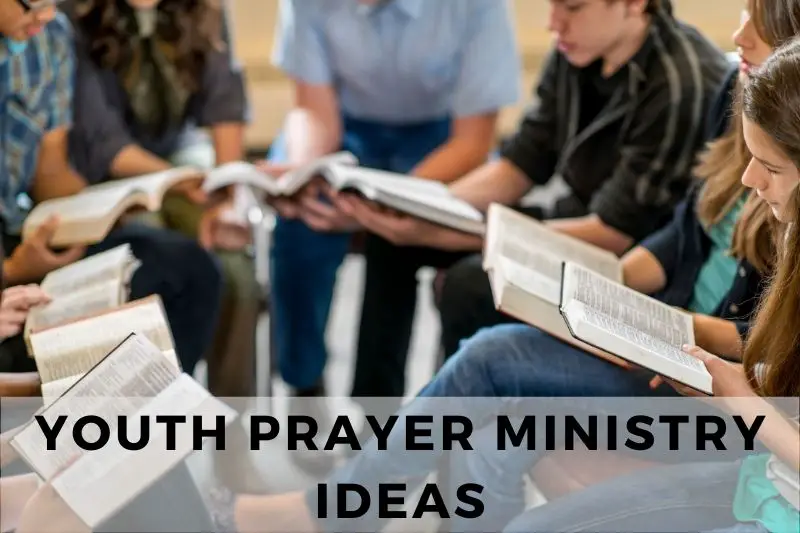
Prayer is one of the most powerful foundations of any youth ministry. It creates opportunities for students to grow spiritually, build authentic friendships, and develop a personal relationship with God. However, many youth ministries struggle to make prayer engaging for teenagers and young adults who are constantly surrounded by distractions, social pressures, and fast-paced digital culture.
Today’s youth need prayer experiences that are interactive, meaningful, creative, and relevant to their everyday lives. Traditional formats still have value, but combining them with fresh approaches can help students become genuinely excited about prayer rather than seeing it as an obligation.
The good news is that youth prayer ministries do not need massive budgets or complicated programs to make a lasting impact. With intentional leadership, creative planning, and consistent encouragement, churches can cultivate environments where young people feel comfortable praying openly and passionately.
Below are ten powerful and actionable youth prayer ministry ideas that can help energize your church community and inspire spiritual growth among teenagers and young adults.
Youth Prayer Ministry Ideas
#1. Glow Night Prayer Gatherings
Glow Night Prayer Gatherings create a visually engaging and emotionally powerful atmosphere that immediately captures the attention of young people. Teenagers are often drawn to immersive experiences, and transforming an ordinary church room into a glowing prayer environment can make prayer feel exciting and memorable.
The concept is simple but effective. Use dim lighting, LED candles, glow sticks, string lights, lanterns, and illuminated scripture displays to create a calm and reflective environment. Background worship music or acoustic sessions can help establish an atmosphere of peace and focus.
Instead of keeping students seated for the entire gathering, create multiple prayer stations throughout the room. Each station can focus on a specific theme such as:
- Anxiety and mental health
- School pressures
- Family relationships
- Future goals and calling
- Friendships
- Forgiveness and healing
At every station, include scripture passages, guided prayer prompts, journals, sticky notes, or interactive activities. For example, students could write down fears they want to surrender to God or post anonymous prayer requests on a glowing prayer wall.
How to Make It More Effective
- Allow students to move freely between stations.
- Include moments of silent reflection.
- Use youth leaders as prayer mentors around the room.
- Encourage students to pray with one another in small groups.
- End the night with a collective worship and testimony session.
Glow Night Prayer Gatherings work especially well during retreats, conferences, youth revivals, or special monthly worship nights because they create emotional and spiritual moments students often remember for years.
#2. Community Prayer Walks
Community prayer walks help students move beyond inward-focused ministry and become spiritually aware of the needs around them. Many teenagers are deeply affected by what they see in schools, neighborhoods, and communities, but they may not know how to respond spiritually. Prayer walks teach them to intercede intentionally for others.
During a prayer walk, students travel together through a community while praying for specific people, institutions, and situations. Churches can organize prayer walks around:
- Schools and universities
- Local neighborhoods
- Downtown business districts
- Hospitals
- Government buildings
- Parks and recreational areas
Leaders should prepare students beforehand by discussing prayer topics and explaining the purpose of the walk. Encourage youth to observe carefully as they walk and silently pray for what they notice.
For example:
- Pray for students struggling with depression at schools.
- Pray for families experiencing hardship in neighborhoods.
- Pray for safety and wisdom for community leaders.
- Pray for revival and spiritual awakening in the city.
Ways to Expand the Experience
- Pair prayer walks with community service projects.
- Ask students to keep prayer journals during the walk.
- Create discussion circles afterward for reflection.
- Encourage students to share what impacted them most.
Prayer walks help youth understand that prayer is not limited to church buildings. They learn that prayer can become a lifestyle connected to compassion, outreach, and spiritual responsibility.
#3. 24-Hour Prayer Relays
A 24-hour prayer relay can unite an entire youth ministry around one shared spiritual mission. The goal is simple: ensure continuous prayer coverage for an entire day by having students sign up for different prayer time slots.
This idea creates excitement because students feel they are contributing to something larger than themselves. It also helps teenagers develop personal discipline and consistency in prayer.
Prayer relays can be organized:
- In person at the church
- Virtually through video calls
- Individually from home
- Through small prayer teams
Assign themes to different hours throughout the day. Examples include:
- Revival in schools
- Healing for families
- Guidance for church leadership
- Mental health support
- Missionary outreach
- Salvation for friends
Provide students with digital prayer guides, scripture lists, and worship playlists to help them stay focused during their time slot.
Practical Strategies for Success
- Use online scheduling tools for organization.
- Send reminder texts before each student’s prayer time.
- Encourage students to journal what they prayed about.
- Create a group chat where participants can share encouragement.
At the end of the 24 hours, hold a worship celebration or testimony night where students share what they experienced spiritually.
Prayer relays teach commitment, perseverance, and the importance of consistent intercession.
#4. Prayer and Worship Café Nights
Many teenagers feel intimidated by highly formal church settings. Prayer and Worship Café Nights create a relaxed environment where students feel comfortable opening up emotionally and spiritually.
Transform a youth room or fellowship hall into a coffeehouse-style setting using:
- Soft lighting
- Comfortable seating
- Small café tables
- Warm drinks and snacks
- Acoustic worship music
The evening should feel conversational and authentic rather than overly structured.
Include activities such as:
- Open mic worship
- Spoken word poetry
- Personal testimonies
- Guided group discussions
- Interactive prayer circles
This atmosphere often encourages students who are shy or spiritually hesitant to participate more openly.
Ways to Deepen Engagement
- Invite students to lead worship or discussions.
- Focus on relatable topics such as identity, anxiety, loneliness, or purpose.
- Encourage leaders to share personal struggles and testimonies.
- Use small group prayer conversations rather than large public prayer sessions.
The café-style format creates emotional safety and builds stronger community connections within the youth ministry.
#5. Social Media Prayer Ministries
Young people spend a significant amount of time online, making digital platforms one of the most strategic places for ministry today. A social media prayer ministry allows students to encourage one another spiritually throughout the week rather than only during church gatherings.
Youth leaders can create dedicated prayer pages or channels through platforms such as:
- TikTok
- YouTube
Students can participate by posting:
- Daily scripture reflections
- Short prayer videos
- Encouraging devotionals
- Worship clips
- Prayer challenges
- Anonymous prayer requests
This approach empowers youth to use technology positively while learning how to share their faith publicly.
Ideas for Digital Engagement
- Host weekly live prayer sessions.
- Start “7-Day Prayer Challenges.”
- Encourage students to submit testimonies online.
- Create themed hashtags for ministry campaigns.
- Post daily encouragement stories and reels.
Social media prayer ministries can also reach students who may feel disconnected from church or hesitant to attend in-person gatherings.
#6. Prayer Partner Accountability Programs
Teenagers often grow spiritually faster when they feel personally supported and encouraged. Prayer partner programs create meaningful one-on-one relationships where students regularly pray for and check in with each other.
Leaders can pair students based on:
- Age groups
- Shared interests
- School attendance
- Spiritual maturity levels
Prayer partners commit to praying together weekly while also supporting one another through life challenges.
Students may connect through:
- Phone calls
- Video chats
- Text messages
- In-person meetings
- Church gatherings
How to Structure the Program
- Provide weekly discussion and prayer prompts.
- Rotate partners every few months.
- Teach students how to pray confidently.
- Encourage accountability regarding spiritual goals.
Prayer partnerships help combat loneliness and create deeper friendships rooted in faith.
#7. Creative Arts Prayer Rooms
Not every teenager connects with prayer through traditional spoken formats. Some students experience spiritual reflection more deeply through creativity and artistic expression.
Creative Arts Prayer Rooms allow youth to connect with God using artistic outlets such as:
- Painting
- Journaling
- Music
- Dance
- Photography
- Poetry writing
- Scripture art
Create stations where students can express emotions, prayers, and worship visually or creatively.
For example:
- Students can paint prayers on canvases.
- Write letters to God in journals.
- Compose worship lyrics.
- Create scripture-inspired artwork.
Ways to Enhance the Experience
- Display student artwork around the church.
- Invite Christian artists to mentor youth.
- Combine worship music with creative reflection time.
- Include scripture meditation prompts at every station.
Creative prayer environments often engage students who struggle with traditional teaching or prayer settings.
#8. Prayer for the Nations Events
Prayer for the Nations events expand students’ perspectives beyond their local communities and help them develop compassion for the global church.
Each gathering can focus on a specific country or region while highlighting:
- Mission work
- Cultural traditions
- Persecuted Christians
- Humanitarian challenges
- Church growth stories
Decorate the room with maps, flags, and cultural visuals while introducing students to international worship music and foods.
Powerful Ways to Engage Students
- Invite missionaries to speak virtually or in person.
- Show videos about global outreach efforts.
- Assign student groups to research specific nations.
- Organize fundraising for mission projects.
Students begin to understand that prayer can impact people worldwide, not just their immediate surroundings.
#9. Sports and Prayer Outreach Events
Sports provide natural opportunities for relationship-building and outreach. Many teenagers who may never attend a traditional prayer meeting are willing to participate in athletic events.
Churches can organize:
- Basketball tournaments
- Soccer leagues
- Volleyball nights
- Fitness competitions
- Community sports outreach events
Prayer and devotionals can be integrated naturally before games, during halftime, or after competitions.
Ways to Make It Meaningful
- Encourage team prayer circles.
- Invite coaches to mentor students spiritually.
- Keep devotionals practical and relatable.
- Use sports events as outreach opportunities for unchurched youth.
Sports ministries create connections that often lead students into deeper spiritual conversations and discipleship.
#10. Midnight Prayer Experiences
Midnight prayer gatherings create unique and unforgettable spiritual experiences for young people. The quiet atmosphere of late-night worship often allows students to focus more deeply without daytime distractions.
These events can include:
- Extended worship sessions
- Scripture meditation
- Silent reflection
- Group prayer circles
- Personal testimonies
- One-on-one prayer ministry
Focus on issues that deeply affect teenagers, including:
- Identity struggles
- Anxiety and fear
- Future direction
- Peer pressure
- Emotional healing
- Purpose and calling
Tips for Planning a Successful Event
- Create a clear schedule to maintain engagement.
- Alternate between worship, teaching, and prayer activities.
- Include interactive prayer stations throughout the night.
- Provide snacks and rest breaks.
- Ensure adult leadership and supervision are well organized.
Many youth ministries find that overnight prayer experiences become turning points in students’ spiritual journeys because they allow uninterrupted time for reflection, vulnerability, and encounter with God.
Closing Thoughts
Building a thriving youth prayer ministry requires more than simply organizing events. It involves creating environments where young people feel spiritually safe, emotionally supported, and genuinely connected to God and one another.
The most impactful prayer ministries are often those that combine authenticity, creativity, consistency, and student involvement. Teenagers are far more likely to engage deeply when they feel ownership and participation in the ministry itself.
Whether your church starts with a simple prayer walk, a worship café night, or a full-scale overnight prayer event, the key is intentional discipleship and relational leadership. Prayer should become more than a scheduled activity — it should become a lifestyle that empowers students to seek God confidently in every area of life.
As youth leaders continue investing in creative and meaningful prayer experiences, they can help raise a generation of spiritually grounded young people who influence their schools, communities, churches, and future families with faith, compassion, and purpose.